Evening: preparing for sleep
Dimmer light, a cooler room and less screen time — turning the evening into a gradual transition to sleep.
Denis Čurčić
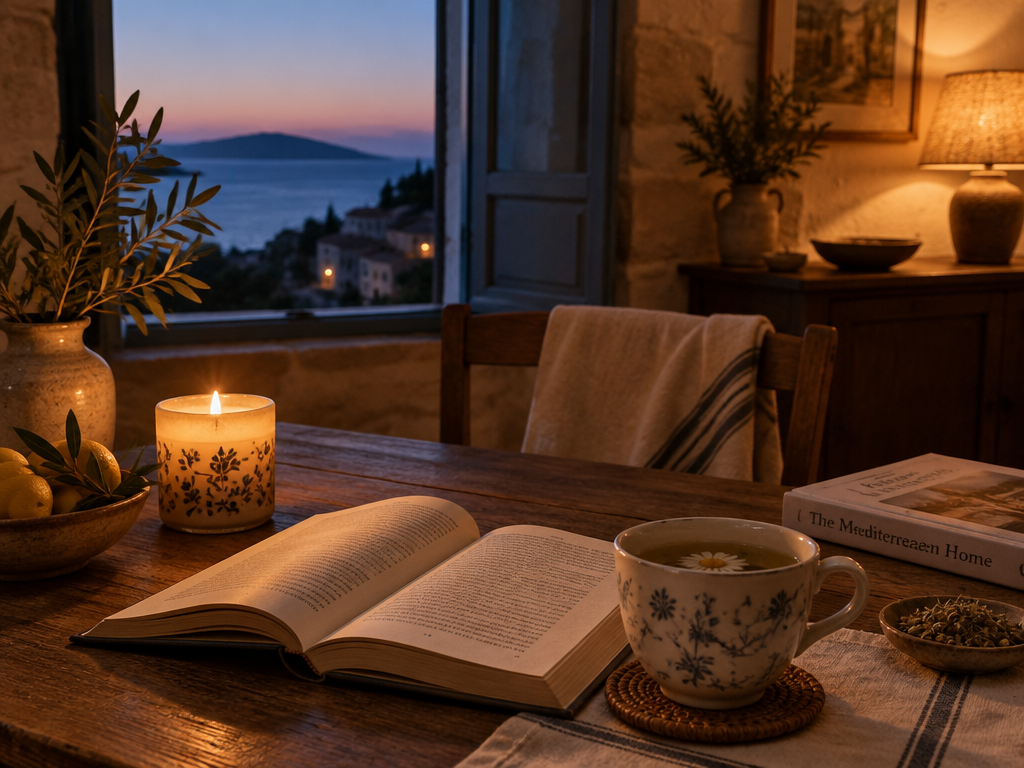 AI-generated image
Sleep does not start when we turn off the light but a few hours earlier. What we do in the evening affects how quickly we fall asleep and how calm the night is.
Morning light from part one is half the story; the other half is gradually reducing light and stimulation in the evening.
Dim your home
Bright light in the evening can delay melatonin release and therefore sleep onset. Two to three hours before bed, switch to lower, warmer lights, ideally below eye level.
A cool, dark and quiet room
Body temperature naturally drops before sleep. A cooler bedroom — often around 17 to 19 °C — supports this. A warm shower an hour or two before bed can help, because the body cools afterwards.
- Blackout curtains or an eye mask.
- Earplugs in a noisy environment.
- Keep the bed for sleep, not work.
Screens, caffeine and alcohol
The problem with screens is not only light but also content that keeps us alert. In the last hour before bed, read or talk instead.
Alcohol may ease falling asleep but fragments sleep in the second half of the night. Late-afternoon caffeine lengthens sleep onset for many people, even when they do not notice.
When thoughts won’t settle
A short note of tomorrow’s tasks or a few slow exhales help the transition to rest. If, despite a good routine, you struggle to fall asleep or wake often for a longer period, it makes sense to look at the wider picture — perhaps with a sleep measurement and a conversation with a professional.
Frequently asked questions
- How many hours before bed should I dim the lights?
- Two to three hours is a good frame; consistency matters more than the exact time.
- Do blue-light glasses help?
- Evidence is mixed. Dimming the room and less screen time are more reliable.
- When should I seek help?
- If sleep problems last several weeks, someone notices pauses in your breathing, or you are very sleepy during the day, consult a doctor.
Guides cover general principles. Translating them to your own data starts with an introductory consultation and triage (€150, 45 minutes) — it results in a written proposal for the measurement scope, with no obligation.