HUMAX Guides
In-depth explanations of the methods, measurements and programs we use in practice. No shortcuts, no marketing promises.
Morning: starting the day calmly
Denis Čurčić
 AI-generated image
Part one of the “Day in rhythm” series: why the morning is a good moment to set your internal clock, without complicated protocols.
Read guide →Day in rhythm 2/3 / FocusFocus during the day: deep work without exhaustion
Denis Čurčić
 AI-generated image
Part two of the “Day in rhythm” series: how to schedule demanding work, why breaks are part of the work and how breathing can help.
Read guide →Day in rhythm 3/3 / SleepEvening: preparing for sleep
Denis Čurčić
 AI-generated image
Part three of the “Day in rhythm” series: a simple evening routine that tells the body the day is ending.
Read guide →Personal program / NutritionHow I build a 140 g protein day in practice
Denis Čurčić
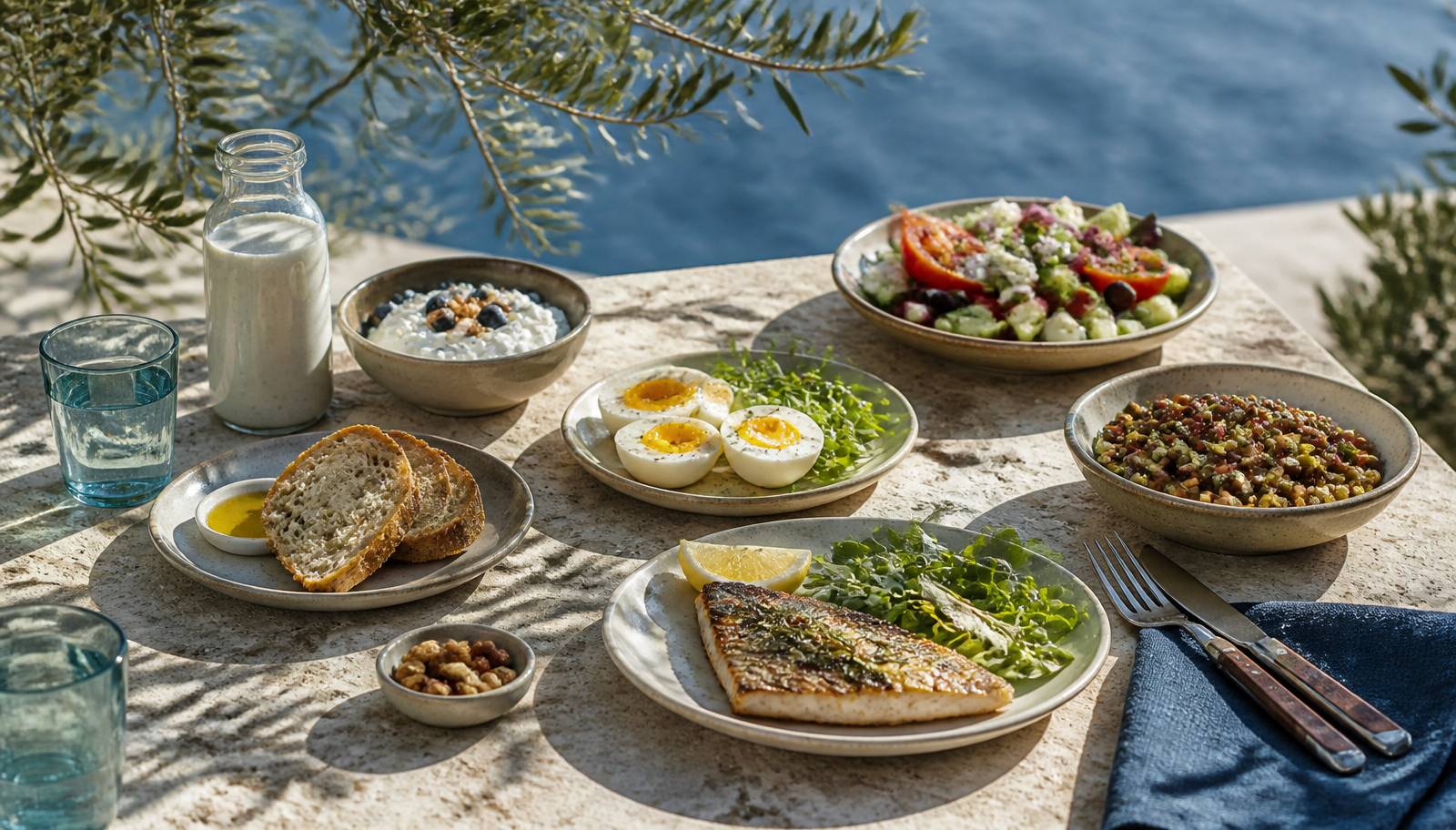 AI-generated image
How I distribute roughly 140 grams of protein, what changes on training days and why structure matters more than a perfect meal plan.
Read guide →Personal program / TrainingMy four-day training system for strength, conditioning and longevity
Denis Čurčić
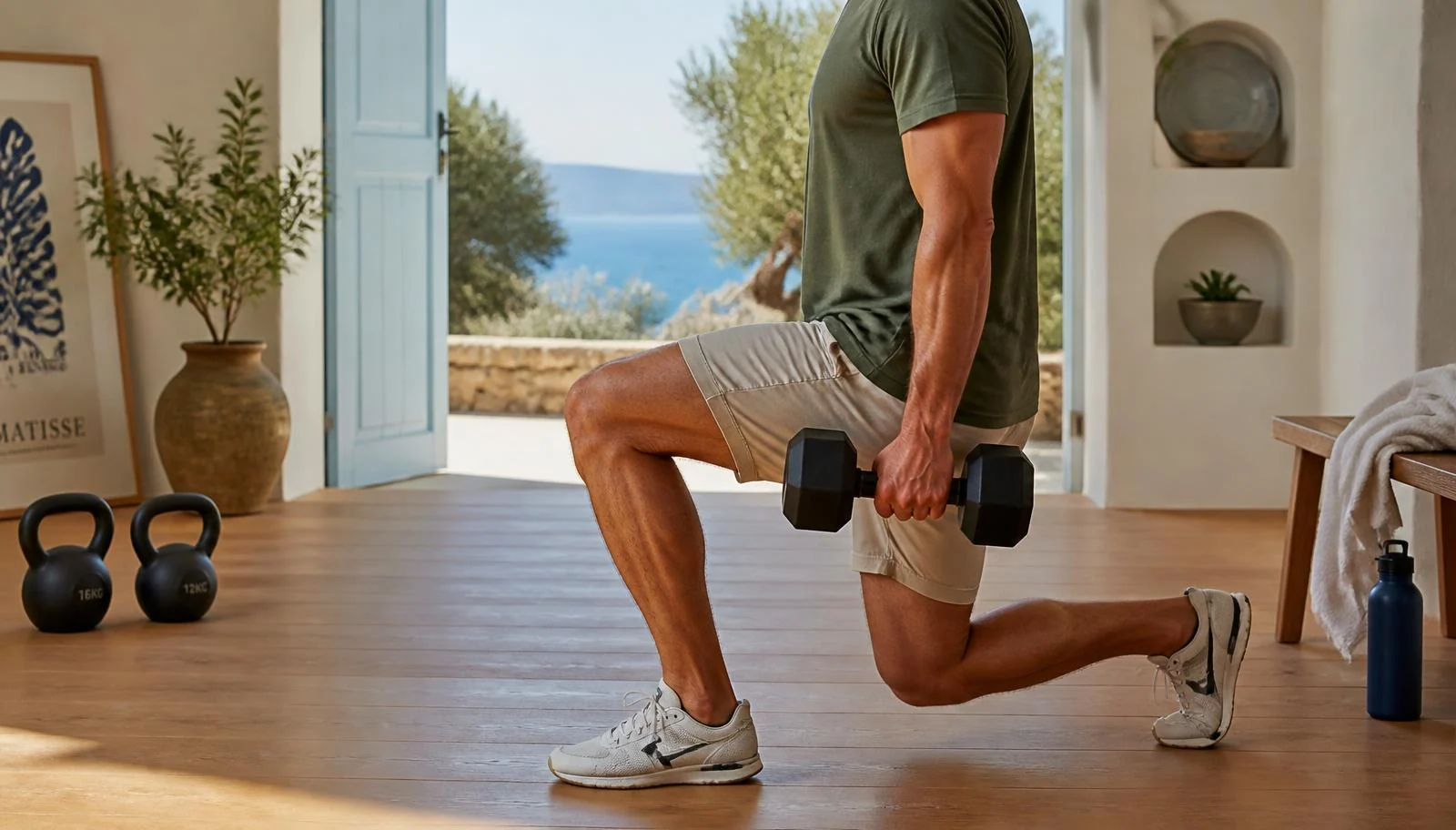 AI-generated image
Denis Čurčić's four-day framework: three strength sessions, a functional fourth day and a separate conditioning block with exercise alternatives.
Read guide →Personal story / SystemHow I connect nutrition, training and recovery into one system
Denis Čurčić
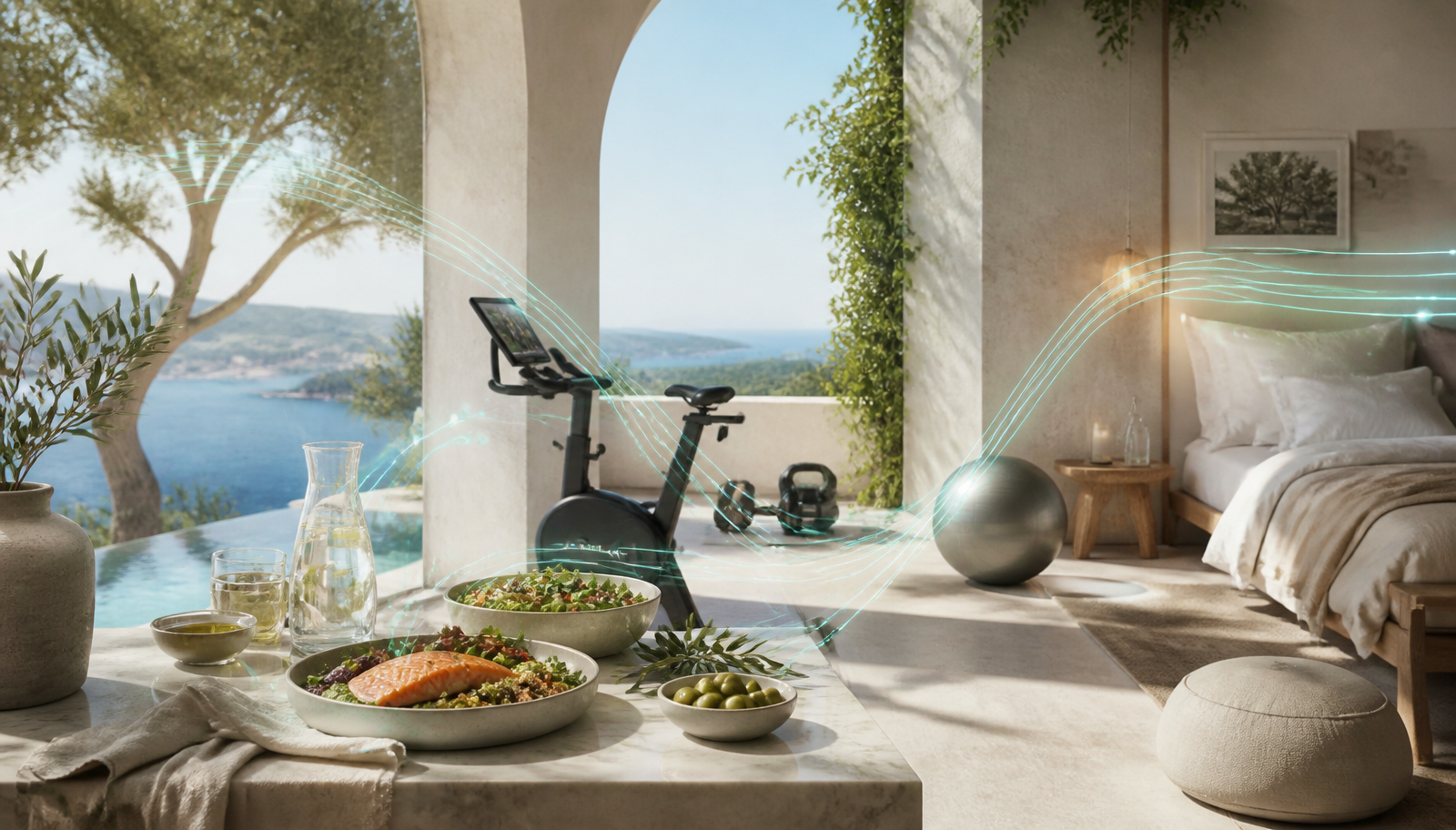 AI-generated image
Why I treat food, training, sleep and data as one connected system built on a few repeatable rules.
Read guide →Personal program / WearablesHow I track training and recovery with Samsung Galaxy Watch
Denis Čurčić
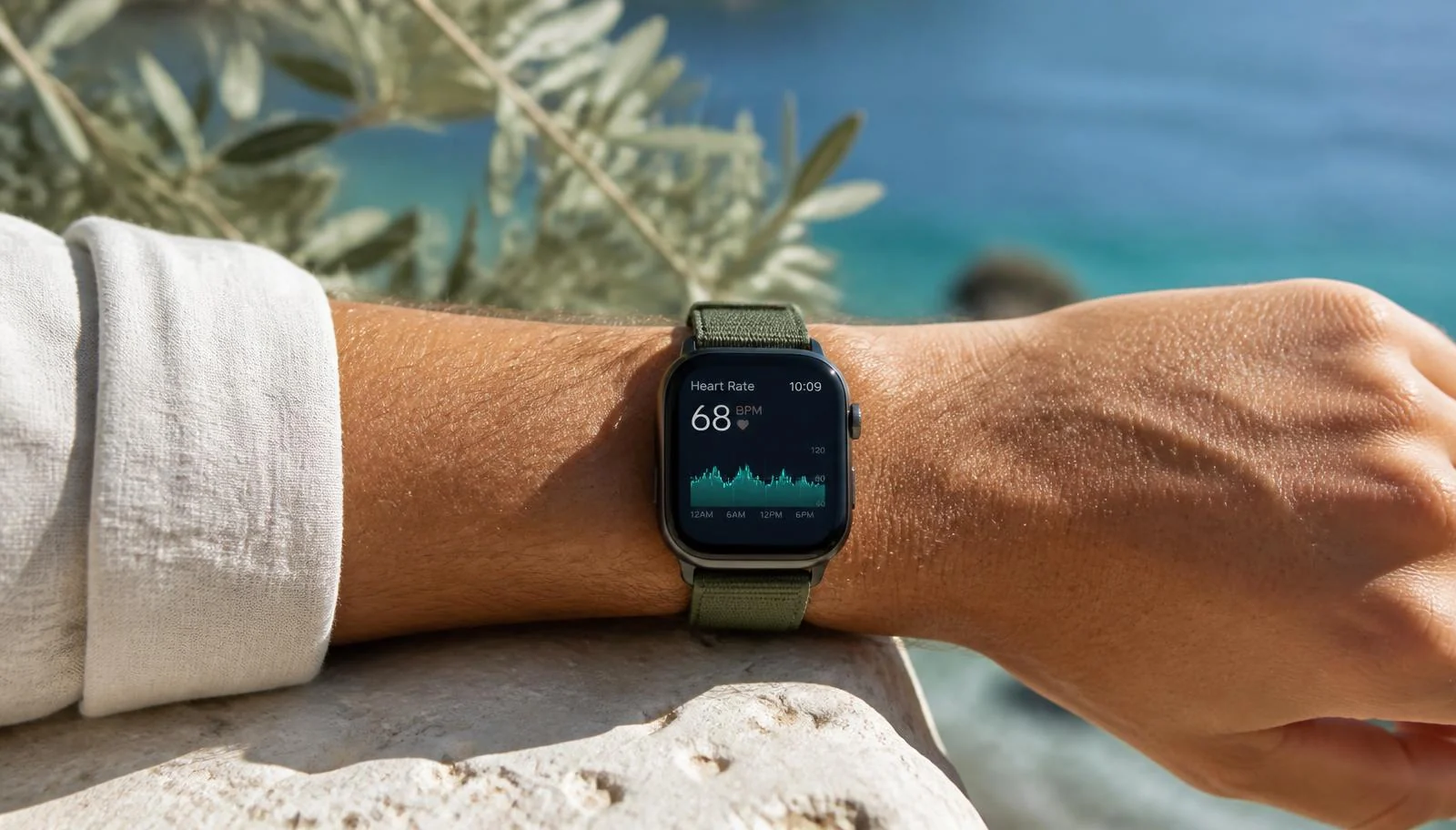 AI-generated image
A practical personal system for using Samsung Galaxy Watch before, during and after training: heart rate, intensity zones, sleep and weekly trends.
Read guide →Founder / PhilosophyWhy I created HUMAX: from systems engineering to optimising human potential
Denis Čurčić
 AI-generated image
I've spent more than two decades working with complex IT systems. In technology, one rule holds: without data, you're guessing. HUMAX was born as an engineering answer to human under-optimisation.
Read guide →Personal story / BiohackingMy story (Part 1): When the system breaks down
Denis Čurčić
 AI-generated image
HUMAX wasn't born as a theory at a desk — it came from my own collision with a wall. Three mistakes I now see in most people, and the turning point that changed everything.
Read guide →GuideWhat is biohacking? A complete guide to scientific body optimisation
 AI-generated image
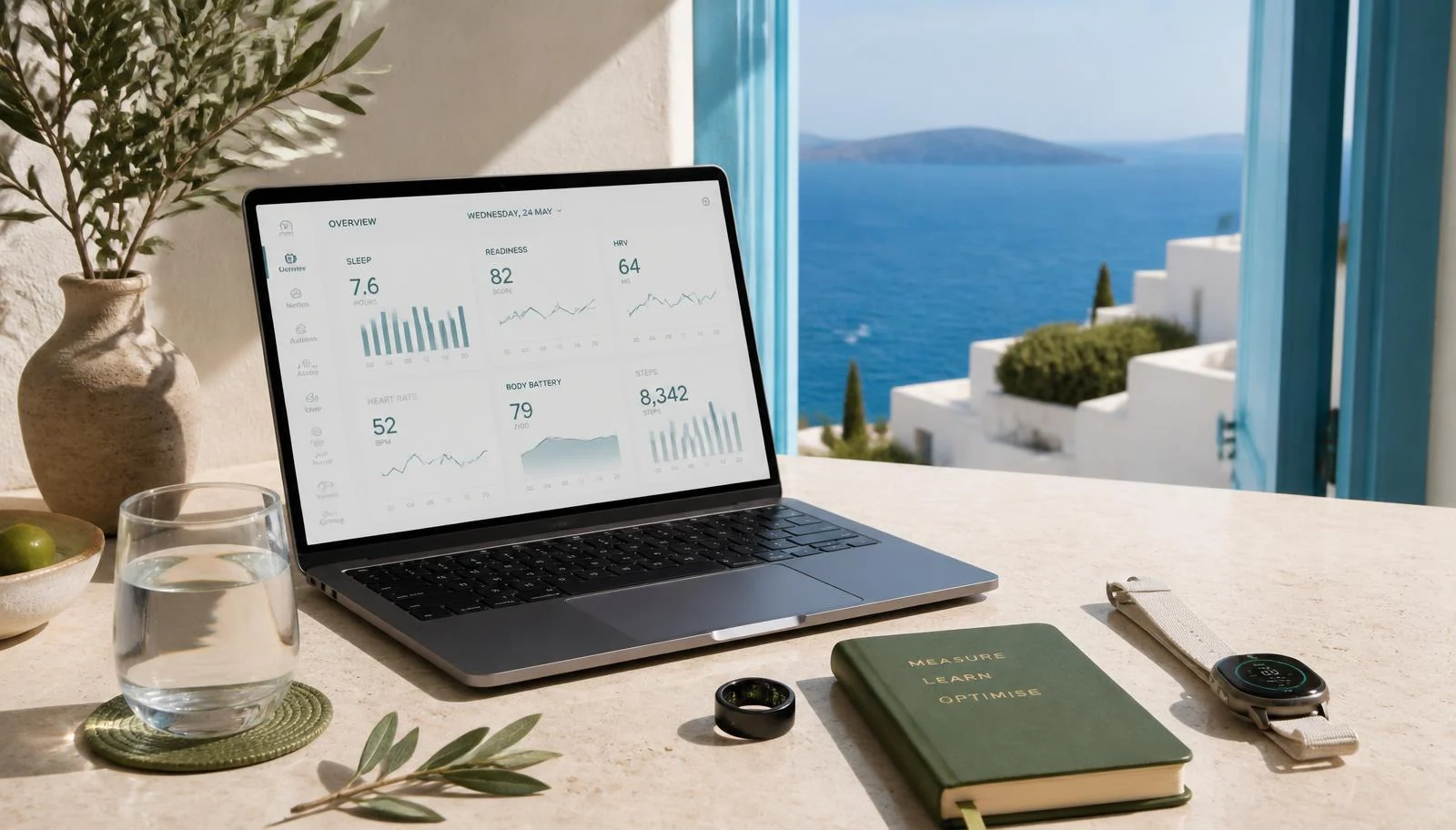
Biohacking isn't a trend or a shortcut. It's the systematic measurement, understanding and upgrading of your own biology. This guide explains what biohacking really is, which methods have scientific backing, and where serious work actually begins.
Read guide →GuideHow to read smartwatch data: HRV, sleep and recovery
 AI-generated image
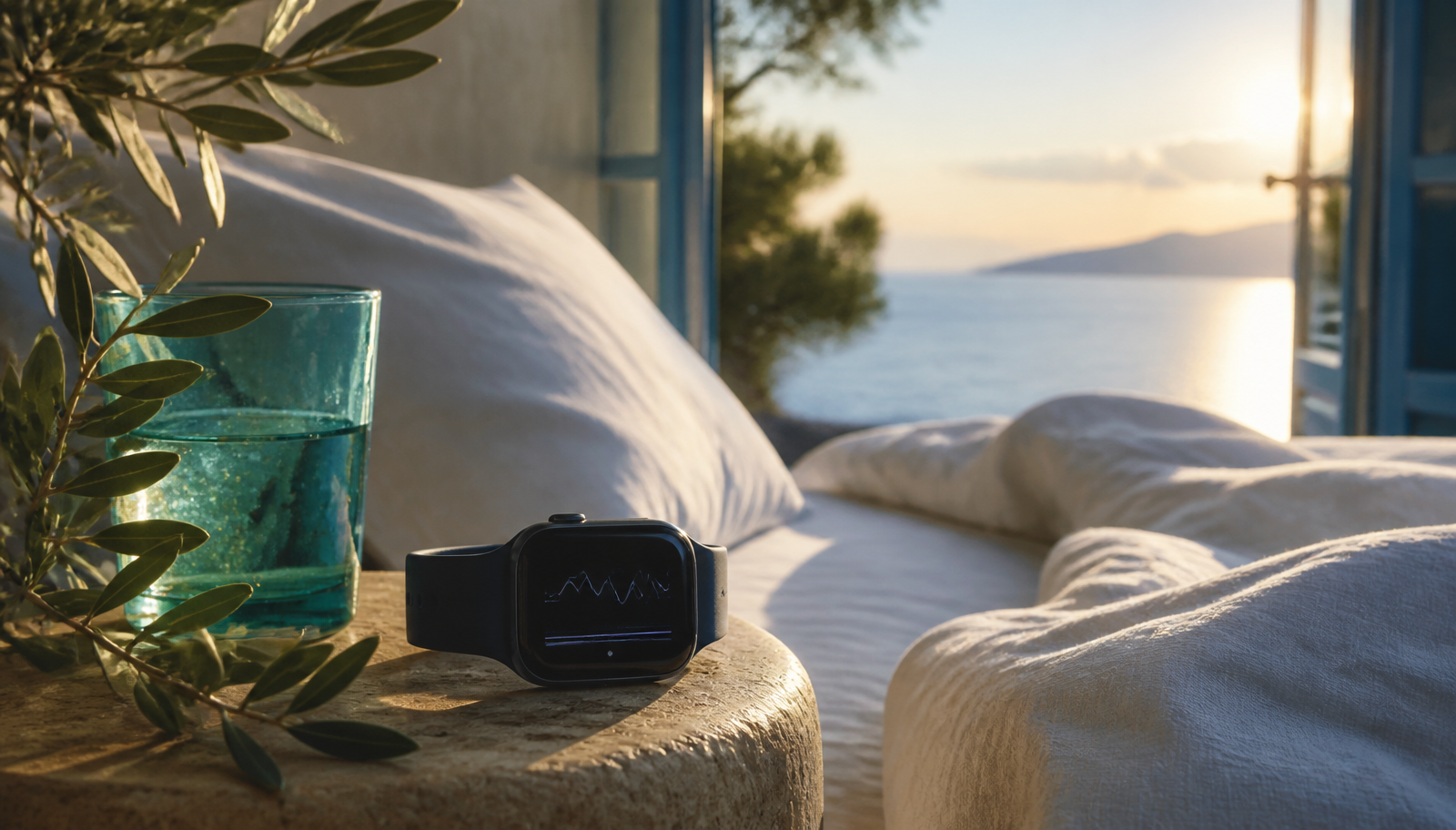
A smartwatch can be a genuinely useful analytical tool — if you know what you're measuring. We explain HRV, deep sleep, recovery, and how to use these metrics in everyday decisions.
Read guide →GuideGlycemic stability for executives: why the afternoon energy crash isn't mandatory
 AI-generated image
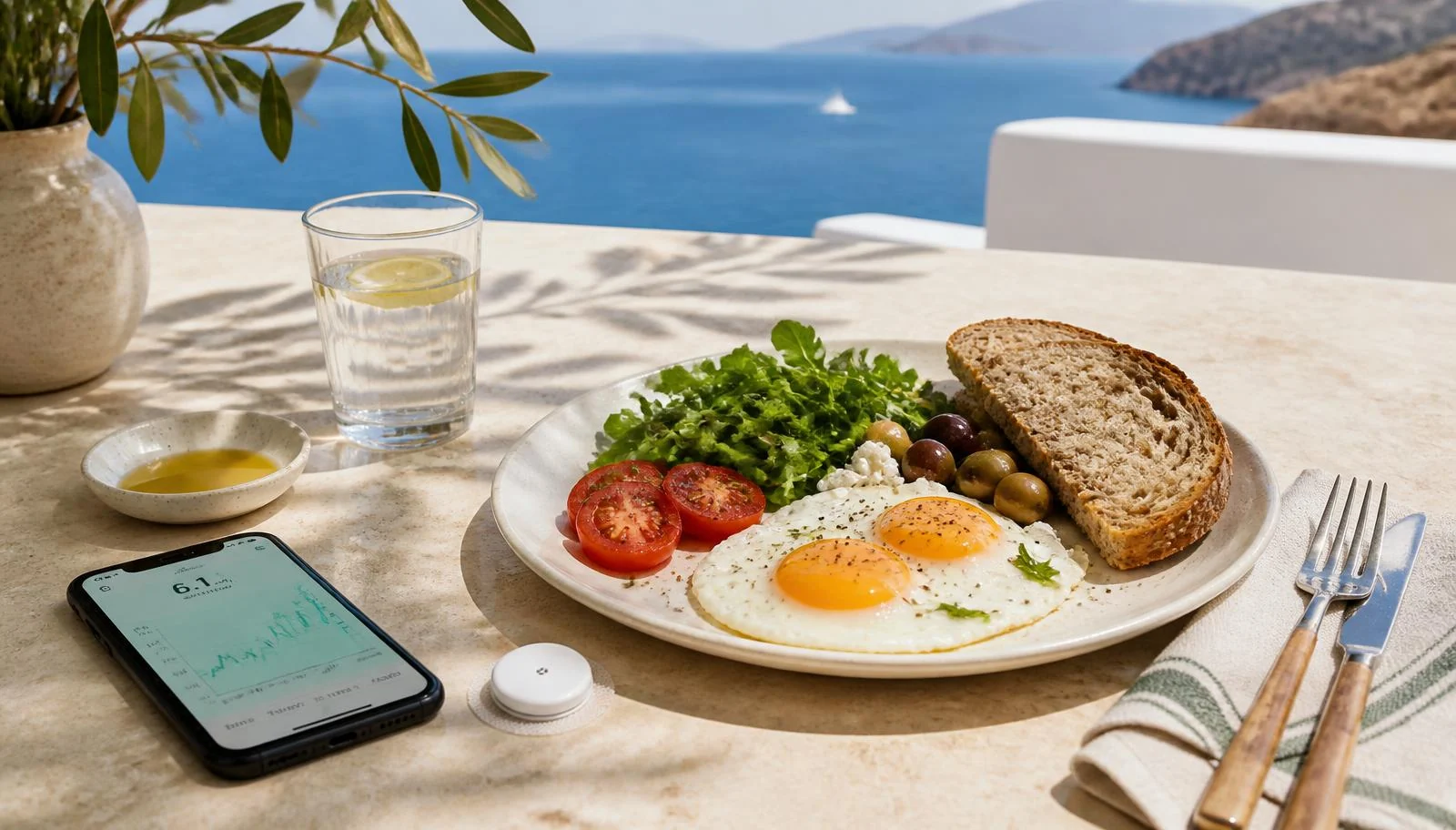
The afternoon energy crash, brain fog and sugar cravings aren't normal. This guide explains how continuous glucose monitoring reveals patterns you'd otherwise miss, and how to stabilise your energy throughout the day.
Read guide →GuideVO2max: why cardiorespiratory fitness is the strongest predictor of longevity
 AI-generated image
VO2max is one of the most compelling indicators of longevity — and it's also highly improvable. This guide explains what weekly training structure raises it even for packed schedules.
Read guide →GuideThe neuroscience of sleep: why D-hormone, acetylcholine and the microbiome matter
HUMAX Editorial & Bio-Tech Advisory
 AI-generated image
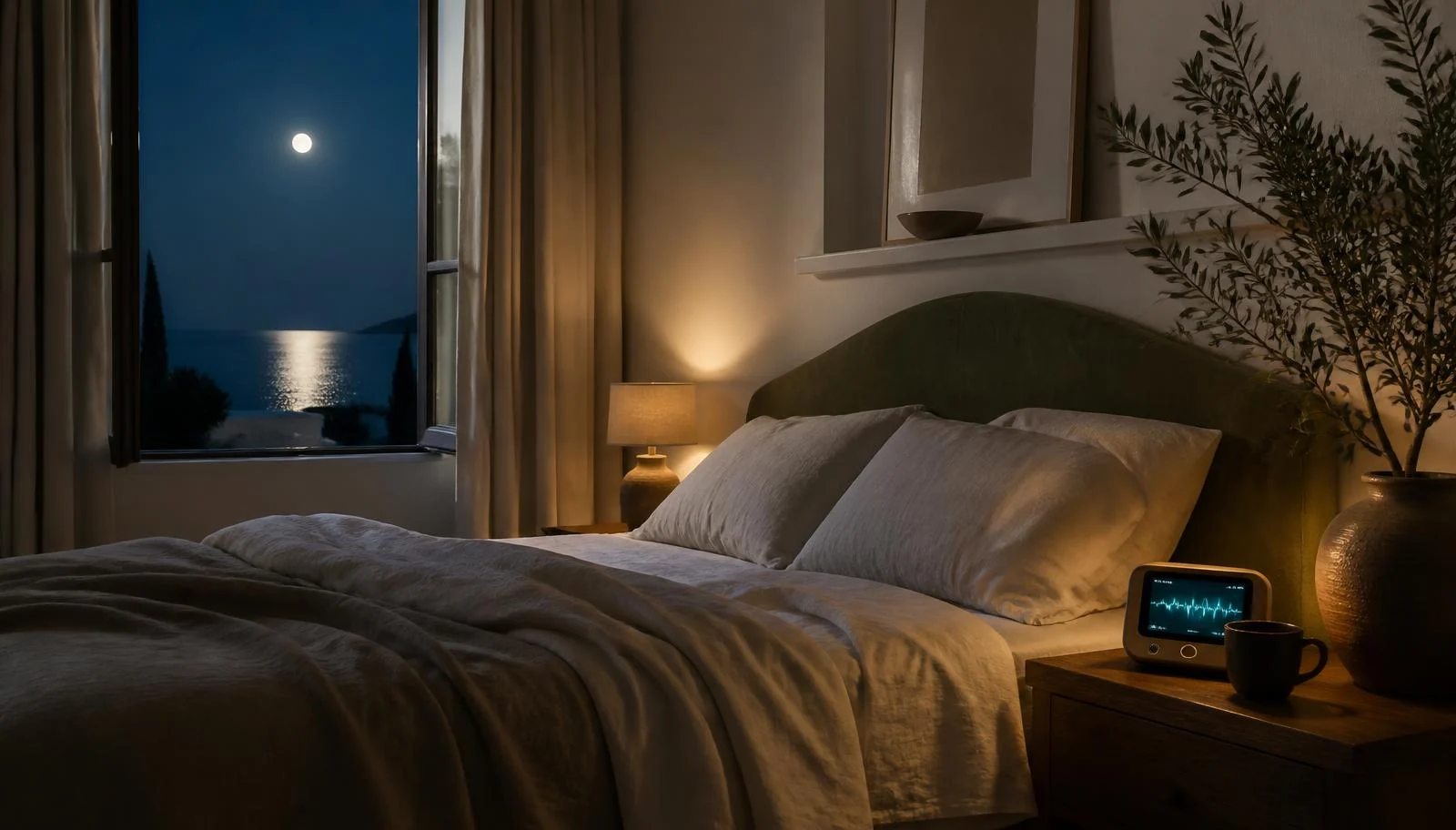
Sleep quality isn't just about hours in bed. This guide explains glymphatic clearance, the role of D-hormone as a steroid regulator, acetylcholine during REM, and the influence of the gut microbiome.
Read guide →GuideOura, WHOOP and Garmin: what HRV, sleep and readiness scores actually mean
HUMAX Editorial & Bio-Tech Advisory
 AI-generated image
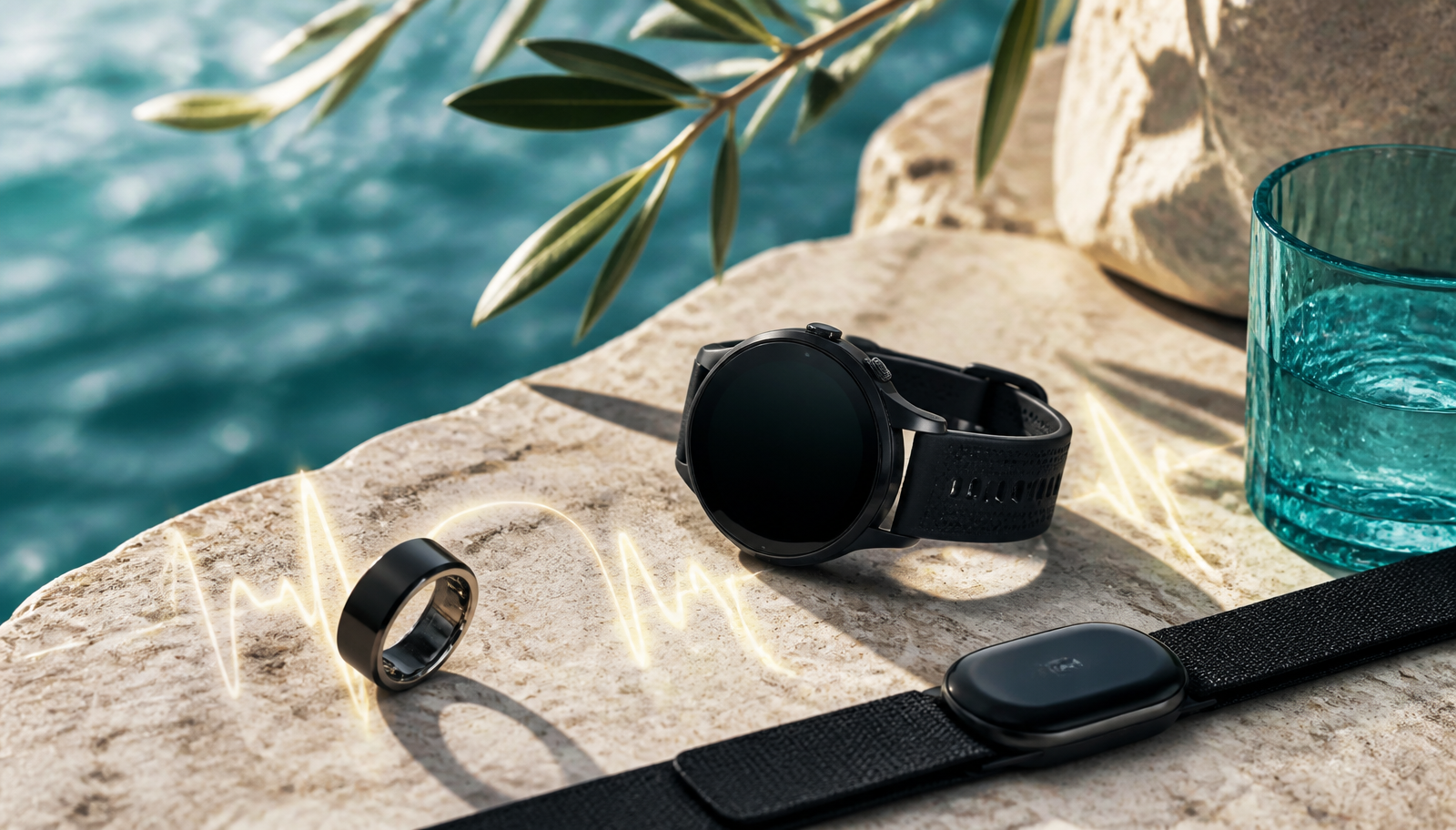
Oura Ring, WHOOP and Garmin serve up dozens of numbers every day. This guide explains what the devices actually measure, how to read HRV, sleep structure and readiness — and how to turn that into a decision rather than a screen full of graphs.
Read guide →Guide / SleepInsomnia: what is actually happening and what we can measure
HUMAX Editorial & Bio-Tech Advisory
 AI-generated image
Insomnia is one of the most common reasons for seeing a doctor, yet it is rarely measured. An overview of causes, metrics and the data that shows what your body actually does at night.
Read guide →Guides cover general principles. Translating them to your own data starts with an introductory consultation and triage (€150, 45 minutes) — it results in a written proposal for the measurement scope, with no obligation.